
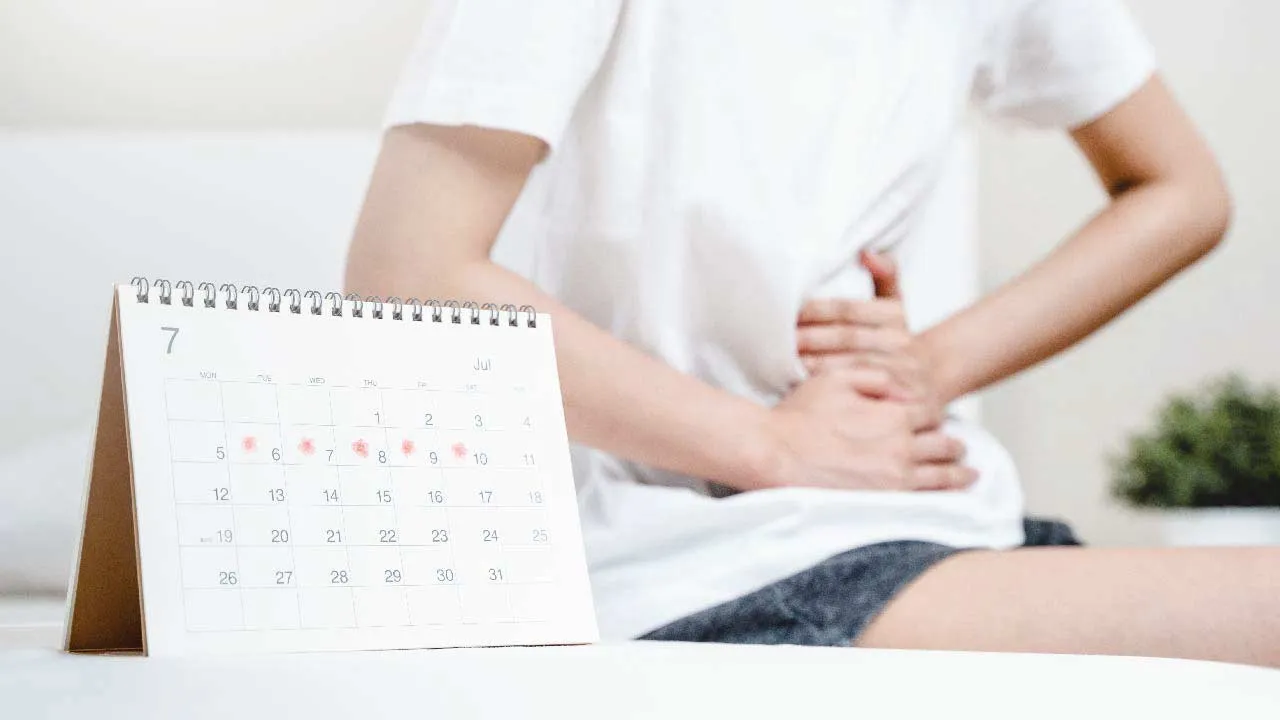
Every woman's menstrual cycle is unique. While some women go through their periods with little or no discomfort, others experience cramps that interfere with work, school, sleep, or daily activities. If you have ever wondered why period pain varies so much from one person to another, the answer lies in a combination of hormones, underlying health conditions, genetics, and individual differences in how the body responds to menstruation.
Although mild cramping is common, severe or worsening menstrual pain should not be considered something you simply have to live with. Understanding the causes of period pain can help you recognize when it is a normal part of the menstrual cycle and when it deserves medical attention.
What Causes Period Pain?
During menstruation, the uterus contracts to shed its lining. These contractions are triggered by hormone-like substances called prostaglandins.
Higher levels of prostaglandins can cause:
- Stronger uterine contractions
- Reduced blood flow to the uterine muscles
- More intense menstrual cramps
Women with lower prostaglandin levels often experience milder or pain free periods.
Why Do Some Women Have More Pain Than Others?
Several factors influence how much discomfort a woman experiences during her menstrual cycle.
These include:
- Individual hormone levels
- Genetic factors
- Pain sensitivity
- Age
- Overall health
- Presence of underlying gynecologic conditions
Every woman experiences menstruation differently, so comparing symptoms with others may not always be helpful.
Primary And Secondary Dysmenorrhea
Doctors generally classify painful periods into two categories.
Primary Dysmenorrhea
Primary dysmenorrhea refers to menstrual cramps that occur without an underlying pelvic disease. It often begins during adolescence or early adulthood and is related to normal uterine contractions.
Secondary Dysmenorrhea
Secondary dysmenorrhea results from an underlying medical condition affecting the reproductive organs.
Possible causes include:
- Endometriosis
- Adenomyosis
- Uterine fibroids
- Pelvic inflammatory disease
- Ovarian cysts
Treatment focuses on managing the underlying condition as well as relieving symptoms.
Is Severe Period Pain Normal?
Mild to moderate cramping is common during menstruation.
However, severe pain that:
- Prevents you from attending work or school
- Does not improve with routine pain relief
- Worsens over time
- Continues beyond the first few days of your period
- Occurs with unusually heavy bleeding
should be evaluated by a gynecologist.
Other Symptoms That May Need Medical Attention
Consult your doctor if menstrual pain is accompanied by:
- Very heavy menstrual bleeding
- Bleeding between periods
- Pain during intercourse
- Chronic pelvic pain
- Fever
- Irregular menstrual cycles
- Difficulty becoming pregnant
These symptoms may indicate an underlying gynecologic condition.
How Is The Cause Diagnosed?
Your gynecologist will ask about:
- Your menstrual cycle
- The location and severity of pain
- Associated symptoms
- Medical history
- Family history
Depending on your symptoms, additional evaluation may include:
- Pelvic examination
- Ultrasound
- Blood tests
- Other imaging studies when appropriate
- Laparoscopy in selected cases if endometriosis is suspected
The recommended investigations depend on your individual symptoms and medical history.
How Can Period Pain Be Managed?
Treatment depends on the cause and severity of symptoms.
Your doctor may recommend:
- Over the counter pain relievers when appropriate
- Hormonal medications for selected women
- Heat therapy
- Regular physical activity
- Adequate sleep
- Stress management
- Treatment of any underlying gynecologic condition
Never start prescription medications without consulting your healthcare provider.
Can Lifestyle Habits Help?
Healthy daily habits may help some women experience milder symptoms.
These include:
- Staying physically active
- Eating a balanced diet
- Drinking adequate water
- Managing stress
- Getting enough sleep
- Avoiding smoking
Lifestyle changes may not eliminate menstrual pain completely, but they can support overall reproductive health.
When Should You See A Gynecologist?
Schedule a consultation if:
- Your menstrual pain suddenly becomes severe.
- Pain is not relieved by routine measures.
- Your periods become increasingly painful.
- Heavy bleeding accompanies your cramps.
- Menstrual pain interferes with your normal activities.
You develop new symptoms such as pelvic pain between periods.
Early evaluation can help identify treatable conditions and improve your quality of life.
Conclusion
Every woman experiences menstruation differently, and there is no single reason why some have pain free periods while others struggle with significant cramps. While mild discomfort is common, severe or persistent menstrual pain should never be ignored. Identifying the underlying cause allows for appropriate treatment and can help improve comfort, daily functioning, and overall reproductive health.
For expert evaluation and personalized menstrual health care, consult Dr. Sangeeta Dubey, Obstetrician and Gynecologist.
FAQs
Q: Is it normal to have no pain during periods?
A: Yes. Many women experience little or no discomfort during menstruation. Menstrual pain varies from person to person.
Q: Why are my period cramps getting worse with age?
A: Worsening menstrual pain may be related to conditions such as endometriosis, adenomyosis, or fibroids and should be evaluated by a gynecologist.
Q: Can painful periods affect fertility?
A: Menstrual cramps themselves do not usually affect fertility. However, certain underlying conditions that cause severe pain, such as endometriosis, may influence fertility in some women.
Q: When should I seek medical care for period pain?
A: You should consult a healthcare professional if pain is severe, disrupts your daily activities, worsens over time, or is accompanied by heavy bleeding or other concerning symptoms.
Q: Can lifestyle changes help reduce menstrual cramps?
A: Regular exercise, a balanced diet, adequate sleep, and stress management may help reduce symptoms for some women, although treatment depends on the underlying cause.
If painful periods are affecting your daily life or becoming more severe, schedule a consultation with Dr. Sangeeta Dubey, Obstetrician and Gynecologist. A thorough evaluation can help identify the cause and guide a personalized treatment plan.