
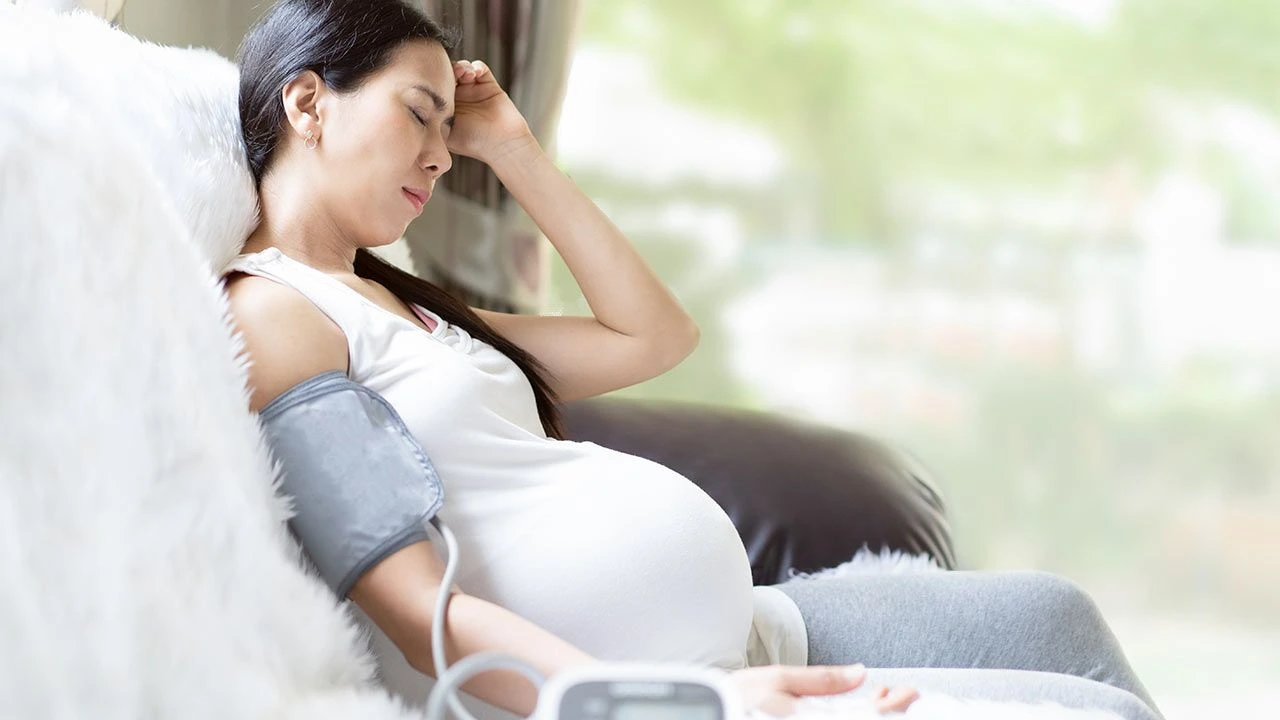
Pregnancy is a time of excitement and anticipation, but it also brings several physical changes that require careful monitoring. One important condition that can develop during pregnancy is pregnancy induced hypertension (PIH). This condition refers to high blood pressure that occurs during pregnancy, usually after the 20th week.
If not detected and managed properly, pregnancy induced hypertension can affect both the mother and the baby. Early diagnosis, regular prenatal checkups, and proper medical care can help manage this condition and reduce risks.
Dr. Sangeeta Dubey, Obstetrics & Gynecology Specialist, focuses on monitoring maternal health closely throughout pregnancy to ensure the safety of both mother and baby. Understanding the causes, symptoms, and management of pregnancy induced hypertension can help expectant mothers seek timely care.
What Is Pregnancy Induced Hypertension?
Pregnancy induced hypertension is a condition in which a pregnant woman develops high blood pressure during pregnancy without having a prior history of hypertension.
Blood pressure readings of 140/90 mm Hg or higher after 20 weeks of pregnancy are generally considered elevated and require medical evaluation.
In some cases, PIH may remain mild and manageable, but if it progresses, it can lead to complications such as preeclampsia, which involves high blood pressure along with signs of organ involvement.
Causes Of Pregnancy Induced Hypertension
The exact cause of pregnancy induced hypertension is not always known. However, several factors may increase the likelihood of developing this condition.
Possible risk factors include:
- First pregnancy
- Family history of hypertension or preeclampsia
- Carrying twins or multiple babies
- Obesity or excessive weight gain during pregnancy
- Maternal age below 20 or above 35 years
- Preexisting conditions such as diabetes or kidney disease
- Limited blood flow to the placenta
Although these factors may increase risk, pregnancy induced hypertension can occur even in women without obvious risk factors.
Symptoms Of Pregnancy Induced Hypertension
In many cases, pregnancy induced hypertension may not cause noticeable symptoms initially. That is why regular prenatal visits are important for monitoring blood pressure levels.
However, some women may experience the following symptoms:
- Persistent headaches
- Swelling of the hands, feet, or face
- Sudden weight gain
- Blurred or disturbed vision
- Pain in the upper abdomen
- Shortness of breath
- Nausea or vomiting in later stages of pregnancy
If any of these symptoms occur, medical evaluation should be sought immediately.
Possible Complications Of PIH
If pregnancy induced hypertension is not properly managed, it can lead to complications affecting both mother and baby.
Potential complications include:
- Preeclampsia
- Placental abruption
- Reduced blood flow to the placenta
- Preterm delivery
- Low birth weight
- Organ damage in severe cases
Timely medical care helps reduce the risk of these complications and supports a healthy pregnancy.
Diagnosis Of Pregnancy Induced Hypertension
Diagnosis is usually made during routine prenatal checkups when blood pressure readings are found to be elevated.
Doctors may recommend additional tests to monitor the condition.
These may include:
- Regular blood pressure monitoring
- Urine tests to detect protein
- Blood tests to assess organ function
- Ultrasound to monitor the baby’s growth
- Fetal monitoring to check the baby’s heart rate
These tests help doctors determine the severity of the condition and plan appropriate treatment.
Management And Treatment Of Pregnancy Induced Hypertension
The management of PIH depends on how high the blood pressure is and how far the pregnancy has progressed.
Lifestyle and monitoring
In mild cases, doctors may recommend lifestyle adjustments along with regular monitoring.
These may include:
- Frequent prenatal visits
- Monitoring blood pressure at home
- Reducing excessive salt intake
- Eating a balanced and nutritious diet
- Getting adequate rest
- Avoiding stress
These measures help maintain stable blood pressure levels.
Medications
If blood pressure levels remain high, doctors may prescribe medications that are safe during pregnancy to control hypertension.
Medication is used carefully to protect both maternal and fetal health.
Monitoring the baby
Doctors may perform regular ultrasounds and fetal monitoring to ensure the baby is growing properly and receiving adequate oxygen and nutrients.
Delivery planning
In some cases, if the condition becomes severe or threatens the health of the mother or baby, early delivery may be recommended.
The decision is made based on the stage of pregnancy and the severity of the condition.
Tips To Reduce The Risk Of Pregnancy Induced Hypertension
While not all cases can be prevented, certain healthy habits may reduce the risk.
Helpful tips include:
- Attending regular prenatal checkups
- Maintaining a healthy weight during pregnancy
- Eating a balanced diet rich in fruits and vegetables
- Staying physically active as advised by your doctor
- Managing stress levels
- Monitoring blood pressure regularly
Following medical guidance throughout pregnancy helps ensure better outcomes.
When Should You Consult A Doctor?
You should seek medical attention if you experience:
- Severe or persistent headaches
- Sudden swelling of the face or hands
- Vision disturbances
- Severe abdominal pain
- Shortness of breath
Prompt medical care helps prevent complications and protects both mother and baby.
FAQs
Q: What is pregnancy induced hypertension?
A: Pregnancy induced hypertension is high blood pressure that develops during pregnancy, usually after the 20th week, in women who previously had normal blood pressure.
Q: Is pregnancy induced hypertension dangerous?
A: If not managed properly, it can lead to complications such as preeclampsia, preterm birth, or reduced growth of the baby.
Q: Can pregnancy induced hypertension be treated?
A: Yes. With proper monitoring, lifestyle changes, and medication if needed, the condition can often be managed safely.
Q: Can pregnancy induced hypertension go away after delivery?
A: In many cases, blood pressure returns to normal after childbirth, but regular monitoring is still important.
Q: Who is at higher risk for pregnancy induced hypertension?
A: Women who are pregnant for the first time, carrying multiple babies, or have certain medical conditions may have a higher risk.
Protect Your Pregnancy With Expert Care
Monitoring blood pressure during pregnancy is essential for protecting both maternal and fetal health. Early detection and proper care can prevent complications and ensure a safer pregnancy journey.
If you have concerns about high blood pressure during pregnancy, consult Dr. Sangeeta Dubey, Obstetrics & Gynecology Specialist, for comprehensive prenatal care and expert guidance.