
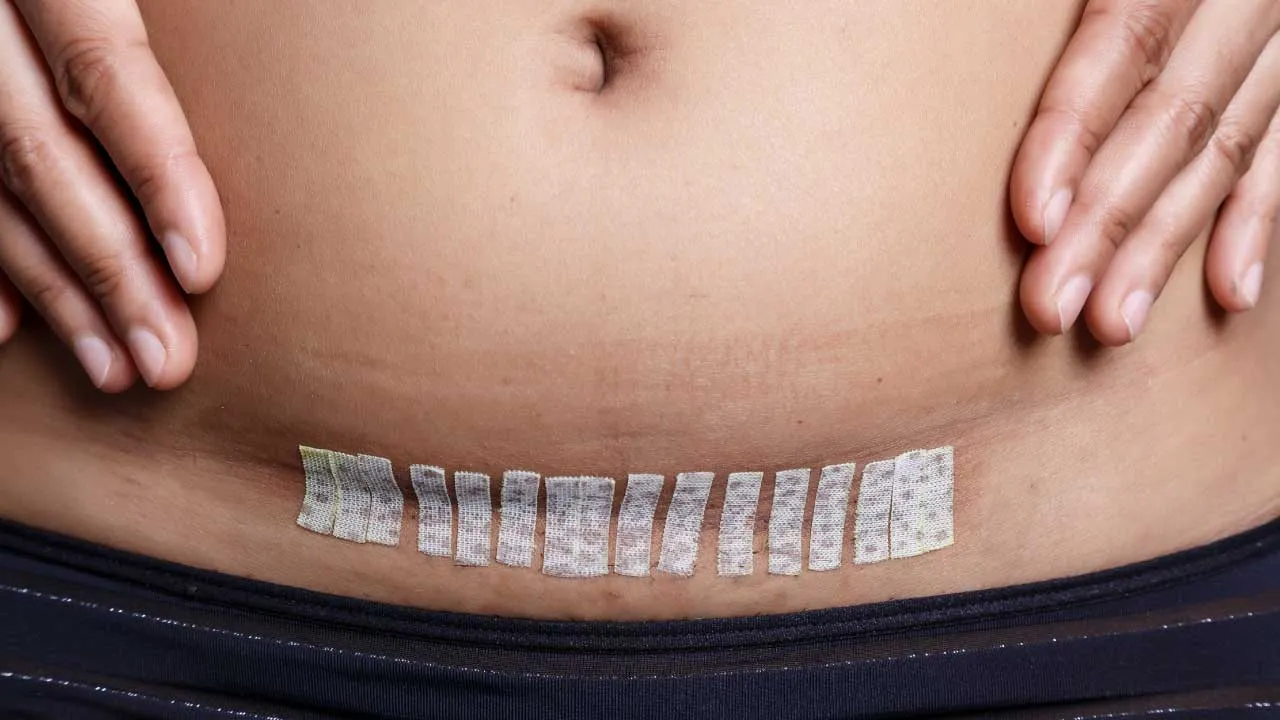
A hysterectomy is one of the most commonly performed gynecologic surgeries. It may be recommended for conditions such as uterine fibroids, abnormal uterine bleeding, adenomyosis, endometriosis, uterine prolapse, or certain gynecologic cancers. While the decision to undergo surgery can feel overwhelming, many women also wonder what life will be like afterward.
Recovery after a hysterectomy is different for every woman. The type of surgery performed, your overall health, and whether the ovaries are removed all influence the recovery process. Understanding what changes to expect can help you prepare for the weeks and months ahead.
What Is A Hysterectomy?
A hysterectomy is a surgical procedure to remove the uterus. After the uterus is removed:
- Menstrual periods stop permanently.
- Pregnancy is no longer possible.
Depending on the medical condition being treated, the surgery may also involve removing the cervix, one or both ovaries, and the fallopian tubes.
Your gynecologist will explain the type of hysterectomy that is most appropriate for your condition.
What Is Recovery Like?
Recovery varies depending on whether the procedure is performed through an abdominal incision, laparoscopically, robotically, or vaginally.
During the first few weeks, you may experience:
- Mild pain or discomfort
- Fatigue
- Light vaginal spotting or discharge
- Reduced energy levels
- Temporary abdominal soreness
Most women gradually notice improvement as healing progresses. Your doctor will provide guidance on activity restrictions and follow-up appointments.
Will My Hormones Change?
Hormonal changes depend on whether the ovaries are removed during surgery.
If the ovaries remain in place, they usually continue producing hormones until natural menopause.
If both ovaries are removed before menopause, hormone levels decrease more rapidly, and symptoms of surgical menopause may develop. These may include:
- Hot flashes
- Night sweats
- Mood changes
- Vaginal dryness
- Sleep disturbances
Your gynecologist will discuss management options based on your age, symptoms, and medical history.
What Happens To Menstrual Periods?
After a hysterectomy, menstrual periods stop permanently because the uterus has been removed.
Some women may notice light vaginal spotting during the early recovery period, which is often part of the healing process. However, persistent or heavy bleeding should be reported to your doctor.
Can You Return To Normal Activities?
Most women gradually return to their usual routines, but recovery should not be rushed.
Your doctor may advise you to:
- Walk regularly to promote circulation
- Avoid heavy lifting during the initial recovery period
- Resume exercise gradually
- Follow recommendations regarding driving and returning to work
- Attend scheduled follow-up visits
The timeline varies depending on the type of surgery and individual recovery.
What About Sexual Health?
Many women are concerned about intimacy after a hysterectomy.
Your doctor will advise when it is safe to resume sexual activity, which is generally after adequate healing has occurred.
Some women notice improvement in sexual comfort if symptoms such as chronic pelvic pain or heavy bleeding have resolved. Others may experience vaginal dryness, especially if the ovaries have been removed. These concerns can often be addressed with appropriate treatment and guidance.
Emotional Well Being After Surgery
Physical recovery is only one part of the healing process.
Women may experience a range of emotions after a hysterectomy, including:
- Relief from longstanding symptoms
- Anxiety about recovery
- Concerns about body image
- Emotional adjustment following surgery
Open communication with your healthcare team and loved ones can be helpful during recovery.
Long Term Health After Hysterectomy
Maintaining a healthy lifestyle remains important after surgery.
Focus on:
- Eating a balanced diet
- Staying physically active
- Maintaining a healthy weight
- Getting adequate calcium and vitamin D
- Attending regular health checkups
- Following recommended cancer screening based on your medical history
If your cervix was removed, routine cervical cancer screening may no longer be necessary in some situations. Your gynecologist will advise you based on the reason for your surgery and your previous screening history.
When Should You Contact Your Doctor?
Seek medical attention if you experience:
- Heavy vaginal bleeding
- Fever
- Increasing abdominal pain
- Redness or discharge from the surgical wound
- Difficulty passing urine
- Severe swelling in the legs
- Chest pain or difficulty breathing
Prompt evaluation helps identify and manage potential complications early.
Tips For A Smooth Recovery
To support healing after a hysterectomy:
- Follow your surgeon's instructions carefully.
- Take medications as prescribed.
- Stay hydrated.
- Eat fiber-rich foods to reduce constipation.
- Walk regularly as advised.
- Avoid smoking.
- Keep all follow-up appointments.
Giving your body enough time to recover is an important part of the healing process.
Conclusion
Life after a hysterectomy involves both physical and emotional adjustments, but many women are able to return to their normal routines after recovery. Understanding what to expect, following your doctor's recommendations, and attending regular follow-up appointments can help support a smoother healing process. If you have concerns about recovery or notice unusual symptoms, do not hesitate to seek medical advice.
For expert guidance before and after hysterectomy, consult Dr. Sangeeta Dubey, Obstetrician and Gynecologist, for personalized care and support throughout your recovery.
FAQs
Q: Will I have periods after a hysterectomy?
A: No. Once the uterus is removed, menstrual periods stop permanently.
Q: Will I enter menopause after a hysterectomy?
A: Not necessarily. If your ovaries are preserved, they usually continue producing hormones until natural menopause. If both ovaries are removed, menopause occurs immediately.
Q: How long does recovery take?
A: Recovery varies depending on the type of hysterectomy and your overall health. Your gynecologist will provide guidance based on your individual situation.
Q: Can I exercise after surgery?
A: Yes, but activity should be resumed gradually. Follow your surgeon's recommendations regarding walking, lifting, and returning to exercise.
Q: When should I call my doctor after a hysterectomy?
A: Contact your healthcare provider if you experience heavy bleeding, fever, severe pain, wound problems, difficulty passing urine, chest pain, or other concerning symptoms.
If you are considering a hysterectomy or have questions about recovery after surgery, schedule a consultation with Dr. Sangeeta Dubey, Obstetrician and Gynecologist. Personalized guidance can help you recover safely and confidently.