
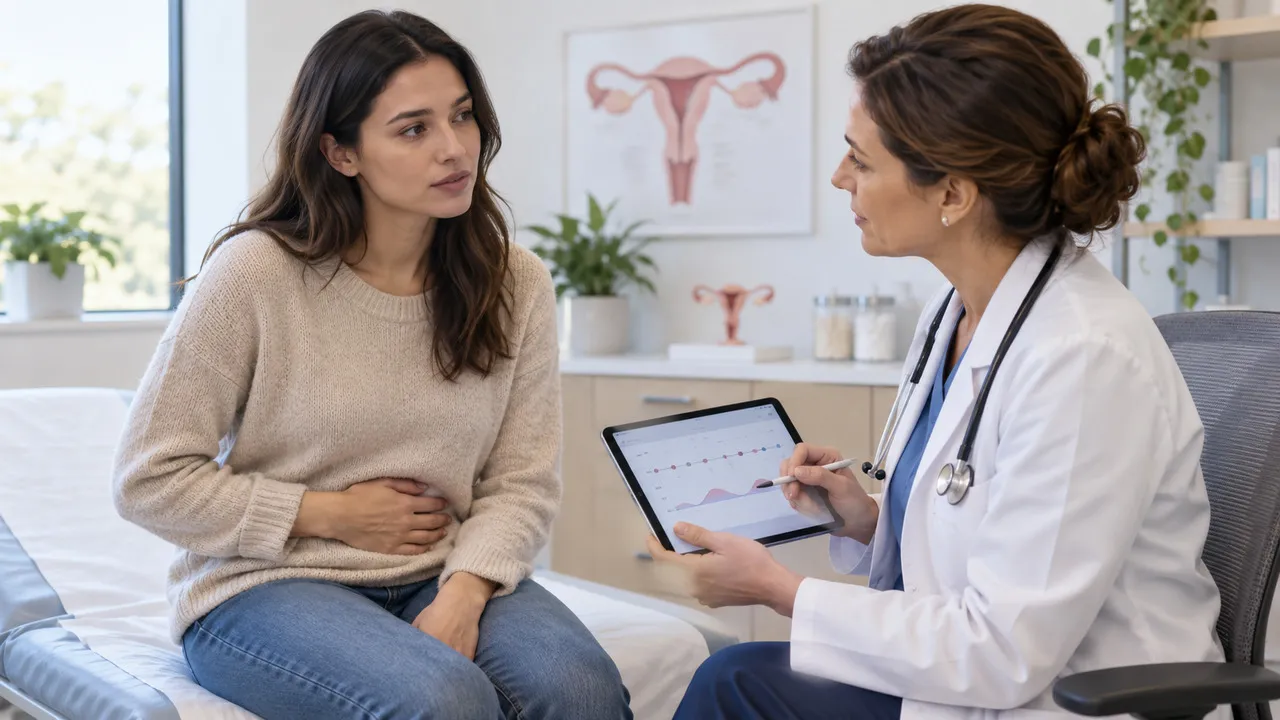
Endometriosis is a condition in which tissue similar to the lining of the uterus grows outside the uterus. It can affect the ovaries, fallopian tubes, pelvic lining, and other nearby areas. Because its symptoms can vary widely and may resemble common menstrual or digestive problems, endometriosis can sometimes go unrecognized for years.
Some women experience severe pelvic pain, while others have symptoms that seem relatively mild or unrelated to their menstrual cycle. Knowing the less obvious signs can help you recognize when it may be worth discussing your symptoms with a gynecologist.
Painful Periods That Feel More Severe Than Usual
Period pain is common, but extremely painful periods should not simply be considered normal. Endometriosis may cause cramps that interfere with work, school, sleep, exercise, or everyday activities.
The pain may begin before your period and continue for several days. It can also become more noticeable over time. If you regularly need strong pain medication or have to change your routine because of menstrual pain, it is worth discussing this with a doctor.
Pelvic Pain Outside Your Period
Endometriosis related pain is not always limited to menstruation. Some women experience ongoing pelvic discomfort or pain at different points during the menstrual cycle.
The pain may feel like aching, pressure, cramping, or sharp discomfort. It can sometimes be felt in the lower abdomen, pelvis, lower back, or legs, depending on where endometriosis is located.
Persistent pelvic pain deserves medical attention, particularly when it keeps returning or affects your daily life.
Pain During Or After Sex
Pain during sexual intercourse, particularly deep pelvic pain, can be another overlooked symptom of endometriosis.
Some women may experience discomfort during or after intercourse rather than immediately. Because painful sex can have several possible causes, it is important not to assume that endometriosis is always responsible. However, recurring pain should be evaluated rather than ignored.
Pain With Bowel Movements
Endometriosis can sometimes affect tissues near the bowel. As a result, some women experience pain while having a bowel movement, particularly during their periods.
You may notice that bowel related discomfort becomes worse around menstruation. This timing can be an important clue when discussing symptoms with your gynecologist.
Digestive Symptoms That Come And Go
Bloating, constipation, diarrhea, abdominal discomfort, or changes in bowel habits can occur for many reasons. They may also be associated with endometriosis in some women.
One useful clue is whether these symptoms repeatedly become worse around your menstrual cycle. Because digestive symptoms are common and nonspecific, keeping track of when they occur can help your doctor understand the pattern.
Painful Urination During Your Period
Endometriosis can occasionally involve areas around the bladder or urinary tract. Some women may notice pain or discomfort when urinating, especially during menstruation.
Blood in the urine, difficulty passing urine, or persistent urinary symptoms should always be medically evaluated because there are several possible causes.
Heavy Or Irregular Menstrual Bleeding
Some women with endometriosis experience heavier periods or spotting between periods. However, bleeding patterns can vary significantly from person to person.
Heavy menstrual bleeding can also occur with fibroids, hormonal changes, adenomyosis, thyroid problems, and other conditions. A proper evaluation can help determine the underlying cause.
Difficulty Getting Pregnant
For some women, difficulty conceiving may be the first reason endometriosis is suspected.
- Endometriosis can affect the ovaries, fallopian tubes, and surrounding pelvic tissues. Inflammation and scar tissue may interfere with the normal movement of an egg or sperm. However, having endometriosis does not automatically mean that pregnancy is impossible. Many women with the condition conceive naturally or with appropriate fertility care.
Fatigue That Seems Difficult To Explain
Persistent fatigue is another symptom that may be overlooked. Chronic pain, inflammation, disrupted sleep, heavy menstrual bleeding, and the emotional strain of dealing with recurring symptoms can all contribute to feeling exhausted.
Fatigue by itself does not indicate endometriosis, but when it occurs alongside pelvic pain, painful periods, bowel symptoms, or fertility concerns, it is worth mentioning during a medical consultation.
Why Endometriosis Can Be Difficult To Recognize
One reason endometriosis can be challenging to identify is that its symptoms overlap with several other conditions. Irritable bowel syndrome, pelvic infections, ovarian cysts, fibroids, adenomyosis, and other gynecological conditions may cause similar complaints.
Symptoms can also differ considerably between women. Some may have extensive endometriosis with relatively mild symptoms, while others may experience significant pain even when the disease appears less extensive.
A detailed medical history, pelvic examination when appropriate, imaging, and sometimes minimally invasive evaluation may be used to investigate suspected endometriosis.
When Should You See A Gynecologist?
Consider speaking with a gynecologist if you regularly experience:
- Period pain that interferes with daily activities
- Persistent pelvic or lower back pain
- Pain during or after sex
- Pain with bowel movements or urination, especially during your period
- Significant bloating or digestive symptoms linked to your cycle
- Heavy or unusual menstrual bleeding
- Difficulty becoming pregnant
- Ongoing fatigue together with other symptoms
Keeping a symptom diary can also be helpful. Recording your pain, bleeding, bowel or urinary symptoms, and their relationship to your menstrual cycle may reveal patterns that are difficult to remember during an appointment.
Treatment Depends On Your Symptoms And Goals
Endometriosis treatment is individualized. Depending on your symptoms, age, fertility plans, and severity of the condition, your doctor may discuss pain management, hormonal treatment, or surgery.
The goal is not simply to treat a diagnosis but to address the symptoms that are affecting your quality of life while considering your future reproductive plans.
Take Persistent Symptoms Seriously
Endometriosis does not always announce itself with obvious symptoms. Sometimes the signs are subtle, cyclical, or mistaken for ordinary period discomfort or digestive problems. Paying attention to recurring patterns can help you seek care sooner.
If painful periods, pelvic discomfort, digestive symptoms, or fertility concerns are affecting your quality of life, Dr. Sangeeta Dubey can help evaluate your symptoms and discuss appropriate next steps. Early medical assessment can help identify the cause and guide an individualized approach to care.
Frequently Asked Questions
Q: Is severe period pain always a sign of endometriosis?
A: No. Severe menstrual pain can have several causes, including endometriosis, adenomyosis, fibroids, and other conditions. However, pain that repeatedly disrupts your daily activities should be evaluated rather than dismissed as normal period pain.
Q: Can endometriosis cause digestive problems?
A: Yes. Some women with endometriosis experience bloating, constipation, diarrhea, or pain with bowel movements. Symptoms that repeatedly worsen around menstruation may be particularly important to mention to your doctor.
Q: Can endometriosis affect fertility?
A: Endometriosis can sometimes make conception more difficult by affecting the ovaries, fallopian tubes, or pelvic tissues. However, many women with endometriosis are able to become pregnant, either naturally or with fertility support when needed.
Q: Can endometriosis cause pain during sex?
A: Yes. Deep pain during or after sexual intercourse can occur with endometriosis. Because painful sex can have other causes as well, recurring discomfort should be discussed with a gynecologist.
Q: Does endometriosis always show up on an ultrasound?
A: Not necessarily. Some forms of endometriosis may not be clearly visible on routine imaging. Your doctor may consider your symptoms, examination findings, imaging results, and other factors when evaluating the possibility of endometriosis.